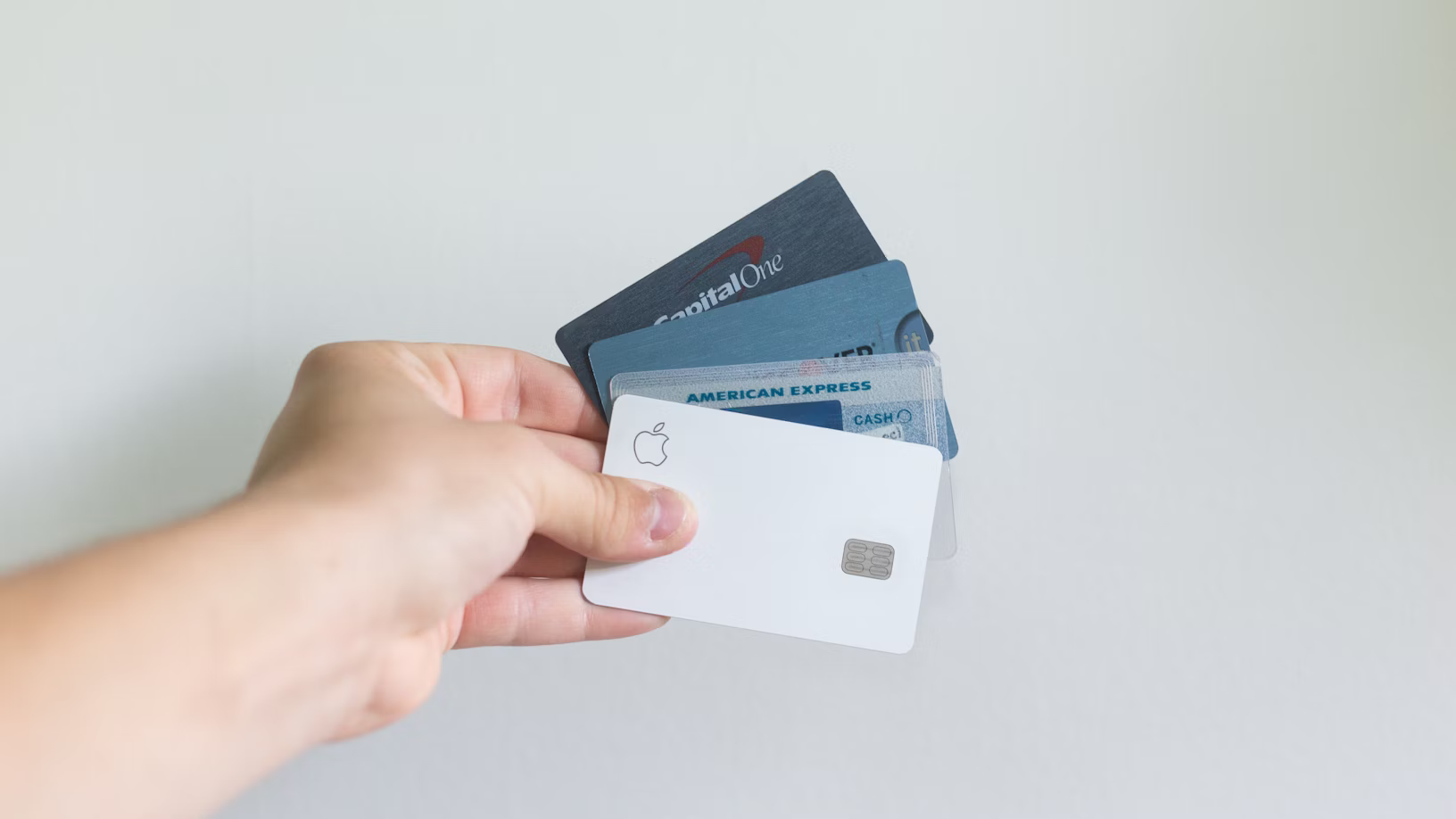

In an economic environment where central bank benchmark rates fluctuate, savers face an essential conundrum: Should you keep cash liquid in a High-Yield Savings Account (HYSA) or lock in fixed yields with Certificates of Deposit (CDs)?
The classic solution engineered by private bankers and financial planners is the Certificate of Deposit (CD) Ladder.
Key Takeaways
- Predictable Liquidity: A CD ladder divides capital into multiple maturity buckets, ensuring a tranche of principal unlocks on a recurring schedule.
- Interest Rate Hedging: If market rates rise, maturing tranches can be reinvested at higher APYs; if rates fall, remaining tranches maintain guaranteed fixed returns.
- FDIC/NCUA Protection: Deposits inside accredited institutions are backed by the full faith and credit of the U.S. government up to $250,000 per depositor.
How a 4-Tier CD Ladder Works
Instead of placing $40,000 into a single 1-year certificate of deposit, an investor distributes the capital evenly across four staggered maturities:
- Tranche 1: $10,000 into a 3-Month CD (4.85% APY)
- Tranche 2: $10,000 into a 6-Month CD (4.75% APY)
- Tranche 3: $10,000 into a 9-Month CD (4.65% APY)
- Tranche 4: $10,000 into a 12-Month CD (4.55% APY)
Every three months, one of your CDs matures with accumulated interest. If you do not require immediate cash, you roll that matured $10,000 tranche into a brand new 12-month CD.
After one year of rolling, every single tranche earns top-tier 12-month fixed yields, while access to fresh liquidity occurs reliably every 90 days.
CD Ladder vs. High-Yield Savings Accounts
While HYSAs provide instantaneous daily liquidity, their interest rate is variable. The issuing bank can reduce your APY overnight following any Federal Reserve policy pivot.
Conversely, a CD is a legal contract. The stated APY is fixed and guaranteed for the duration of the term regardless of macroeconomic volatility. Combining an emergency fund in an HYSA with a rolling CD ladder provides the optimal balance of immediate safety and yield certainty.